
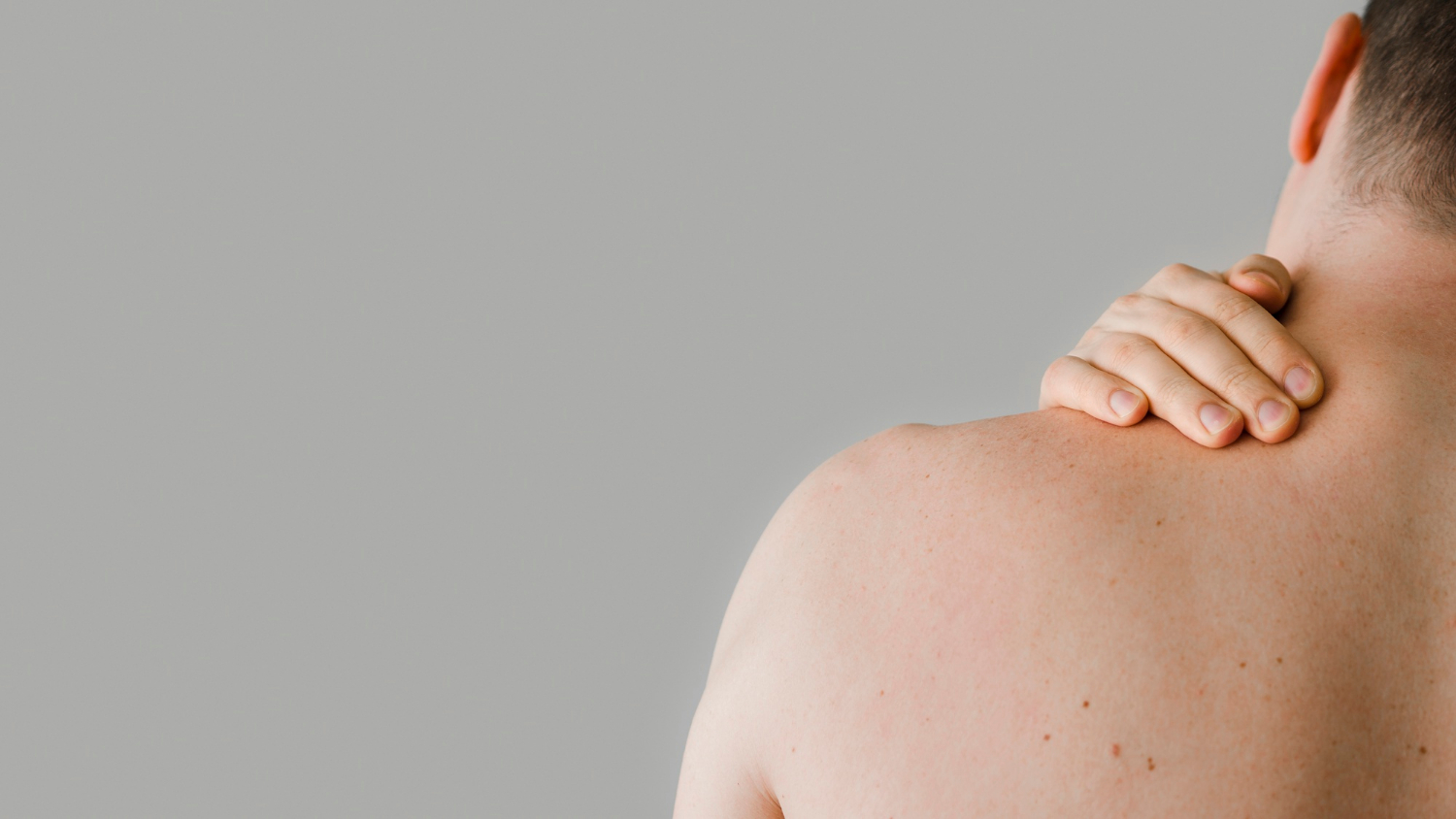
Why Skin Tags Appear on Your Neck and Chest: The Medical Explanation

You’ve noticed them, haven’t you? Those tiny, soft bits of skin that seem to show up overnight – usually on your neck or chest. Annoying little things. Not painful, not dangerous, just… there. You catch one with a necklace, or spot one in the mirror and think, when did that appear?
People often assume they’re a sign of ageing or poor hygiene. They’re not. In fact, skin tags – or acrochordons, if we’re being technical – are one of the most common benign skin growths in the UK. GP surgeries see them every week. Most adults get at least one in their lifetime. Some get dozens.
And here’s the curious thing: they have favourite places. The neck, chest, underarms, and groin – areas where skin folds or rubs. There’s a reason for that, as we’ll get to.
Anyway, let’s get properly into it.
What are Skin Tags?
Small, harmless growths of skin. That’s the short version. They dangle slightly, soft to the touch, sometimes flesh-coloured, sometimes darker. A stalk connects them to the skin surface – like a tiny balloon on a string.
They’re made of loose collagen fibres, blood vessels, and skin cells. No pus, no fluid, nothing nasty. Just normal tissue that’s decided to form a little extra lump.
Doctors call them fibroepithelial polyps. Doesn’t sound very friendly, does it? But they’re completely benign. They don’t turn into cancer, they don’t spread through the bloodstream, and they don’t mean your skin’s “infected.”
Still, they do tell a story about what’s going on with your body – pressure, friction, hormones, sometimes metabolism.
Why do you get Skin Tags on the Neck and Chest?
So, why do these bits of skin choose your neck and chest, of all places? It comes down to one word: friction.
Think about what those areas go through daily. Collars rubbing, necklaces twisting, seatbelts, shirt seams. The skin folds slightly as you move, especially if you’ve got a bit of natural looseness or warmth in that area. Over time, friction signals the skin to repair itself. Sometimes it overdoes it.
That’s one theory. Another points to insulin resistance – a condition linked with type 2 diabetes and metabolic syndrome. The connection isn’t fully understood, but research from UK dermatology clinics shows people with multiple skin tags often have higher insulin levels. The body’s growth factors get overstimulated, and skin cells multiply more than they should.
And then there’s genetics. Some people are just prone. You might notice your mum or dad had them in the same spots. It’s not guaranteed, but there’s a definite hereditary element.
Hormones, Ageing, and Lifestyle Factors
Hormones mess with everything, don’t they? Puberty, pregnancy, menopause – those shifting oestrogen and progesterone levels can affect how fast skin cells divide. Pregnant women often notice new skin tags appearing on their necks or underarms. Usually, they stay after birth unless removed.
Age plays a part too. Once you hit your forties or fifties, the skin starts folding and moving differently. Elasticity drops. Tiny creases become rubbing points. Combine that with weight changes and sweat, and you’ve got the perfect microclimate for tag formation.
And lifestyle – well, that’s trickier. Being overweight increases the likelihood, simply because of extra skin folds. But even slim people get them. Sometimes, tight clothing or a warm environment (gyms, kitchens, factories) keeps the skin under constant low-level irritation.
I was going to say it’s purely mechanical – rubbing and pressure – but that’s not quite right. It’s more like a mix of microtrauma and body chemistry. The friction might start the process, but the hormones and genetics decide whether a tag will actually form.
Common Myths About Skin Tags
Let’s get these out of the way.
First, no, they’re not warts. Warts are caused by a virus (HPV). Skin tags are not contagious and can’t be “caught” from someone.
Second, they don’t come from “dirty” skin or bad hygiene. Shower twice a day or once a week – makes no difference. They appear on doctors, athletes, office workers… anyone.
Third, cutting them off at home isn’t clever. I know there are YouTube videos showing people tying string around them, but you risk infection and scarring. They can bleed quite a lot too.
If you want rid of them, best get them removed properly by a clinician – usually via cryotherapy, cauterisation, or surgical snip. Quick, clean, and done in minutes.
For more about what they are and how removal works, see our page explaining what skin tags are and why they form.
The Science Bit – What’s Actually Happening in the Skin
Beneath the surface, it’s all about fibroblasts and collagen. When the skin’s repeatedly irritated, these cells start producing more connective tissue. Think of it like a tiny overreaction – the body tries to heal micro-damage, but instead of a flat repair, it grows a soft projection.
There’s a vascular component too. Small blood vessels feed into the base, which is why they can bleed if caught. Some dermatologists think they form along natural cleavage lines of the skin – areas where stress is uneven. It’s subtle but fascinating.
Inflammation seems to play a role as well. Low-grade inflammation, especially in people with insulin resistance, changes how growth factors behave. One study found elevated levels of epidermal growth factor (EGF) and transforming growth factor-beta (TGF-β) in skin tag tissue compared to normal skin. So yes, there’s a proper biochemical explanation behind that tiny flap on your collarbone.
When to Worry (and When Not To)
Most of the time? Nothing to worry about. They’re soft, painless, and stable. But occasionally you should get one checked:
- If it grows rapidly
- If it changes colour (especially dark brown or black)
- If it bleeds or crusts without trauma
- If it’s unusually firm or irregular
Doctors can usually confirm it’s a skin tag in seconds. Rarely, something that looks like a tag might be another lesion – like a mole or a small wart – so if in doubt, just ask your GP or a dermatology nurse.
Most private skin clinics can also assess and remove them on the same day – less fuss, no NHS waiting list.
Can You Prevent Them?
That’s the million-pound question. Short answer: not really. Long answer: you can reduce the risk.
Keep your skin cool and dry, avoid tight collars and chains, and maintain a healthy weight. People who control blood sugar better often notice fewer new tags. That’s not proof, but it’s consistent.
Regular exfoliation can help too, especially on the neck. Gently – don’t go mad with scrubs – just to reduce friction and sweat buildup.
But prevention’s not guaranteed. Some bodies just make them. It’s like freckles or grey hair – a mix of chance, genetics, and the passage of time.
Treatment Options – What Works (and What Doesn’t)
Right, let’s talk skin tag removal. There are three main professional options used across UK clinics:
| Method | Description | Typical Outcome |
| Cryotherapy | Freezes the tag with liquid nitrogen. It falls off in a few days. | Quick, minor stinging, small scab. |
| Cauterisation | Burns it off using controlled heat. | Instant removal, light crust forms. |
| Excision (snip removal) | Cut off at the stalk under local anaesthetic. | Clean finish, minimal scarring. |
Over-the-counter creams and freezing kits? Mixed results. Some may work for very small tags, but the risk of skin damage or infection is higher. Plus, they’re not designed for use near the eyes or neck folds – which, awkwardly, is where tags love to appear.
Professional removal’s faster, safer, and usually permanent. Once it’s gone, it rarely grows back in the same spot – though others can appear nearby.
If you’re considering having one removed, you can find a skin tag removal clinic nearest to you here.
Skin Tags and Your Health – The Hidden Connection
Here’s where it gets interesting. Skin tags can sometimes be a marker for underlying metabolic issues. People with multiple tags – especially around the neck and armpits – are statistically more likely to have insulin resistance, high blood pressure, or abnormal cholesterol.
It doesn’t mean you’ve got diabetes, but it might be worth a check-up if you notice lots appearing suddenly. Especially if you’ve gained weight or feel tired often.
GPs sometimes call them “cutaneous markers” – small external hints of what’s happening inside. Bit unnerving, perhaps, but useful. Early signs like this can prompt lifestyle changes before bigger problems set in.
What About Skin Tags on Children or Teenagers?
Rare, but it happens. Usually from friction – collars, sports gear, even musical instrument straps. They’re smaller, softer, and often disappear on their own. If not, same treatment rules apply, though clinicians are cautious about removal on young skin unless it’s causing distress or catching.
Worth noting: teenagers going through puberty may develop one or two due to hormonal surges. Perfectly normal.
Everyday Life with Skin Tags
If you’ve got a few, you’ll know they can be irritating – both physically and mentally. Catching one on clothing is bad enough; seeing it in photos can knock your confidence a bit. Especially on the neck or chest, where they’re hard to hide.
Some people ignore them completely; others can’t stop noticing. It’s personal. But what’s striking is how relieved people feel after removal – it’s such a small change physically, yet it makes a surprising difference to self-image.
And you know what? There’s nothing vain about wanting clear, smooth skin. Especially when the fix is simple and safe.
The Odd Bit About Friction – Not Just Rubbing
You might think friction is just two surfaces sliding. But skin’s clever. It senses mechanical stress through mechanoreceptors – nerve endings that trigger growth factors. Over time, repetitive stress (like a shirt collar rubbing the same spot) nudges the local cells into overdrive.
It’s similar to how calluses form on hands – only softer. In places where the skin folds naturally, the process happens invisibly, and the tag appears weeks later.
Strangely, people who wear certain uniforms – police officers, delivery drivers, chefs – often report tags exactly where clothing edges meet the skin. I’ve seen it on countless patients. Same shape, same area. Almost predictable.
Can They Grow Back After Removal?
Technically, no. Once removed, that individual tag’s gone for good. But others may develop nearby if the conditions stay the same – friction, moisture, or metabolic imbalance. Think of it like weeding: you can clear the patch, but if the soil’s still fertile, something new might sprout.
If you start getting lots again, it’s worth asking your GP to check your blood sugar or hormone levels, just to rule anything out.
Quick Recap – Key Facts About Neck and Chest Skin Tags
| Question | Answer |
| Are they harmful? | No, they’re benign growths. |
| Why the neck/chest? | Friction, hormones, and sometimes insulin resistance. |
| Can I remove them myself? | Not advised – see a clinician. |
| Will they come back? | Not usually in the same spot. |
| Do they mean I’ve got diabetes? | Not necessarily, but check if you have many. |
Final Thoughts
So, that’s the long and short of it. Skin tags on your neck or chest aren’t dangerous – just the skin’s quirky response to friction, hormones, and time. They’re more common than you think, almost a badge of normal human wear and tear.
If one’s bothering you, catching on jewellery or just looking out of place, don’t hesitate to have it checked. Removal’s quick, straightforward, and often covered by local skin clinics.
You’ll walk out thinking, “why didn’t I do that sooner?”